
MONSTERS AND MUSEUMS: Fantasy Worldbuilding for Adults, 2025 - 2026
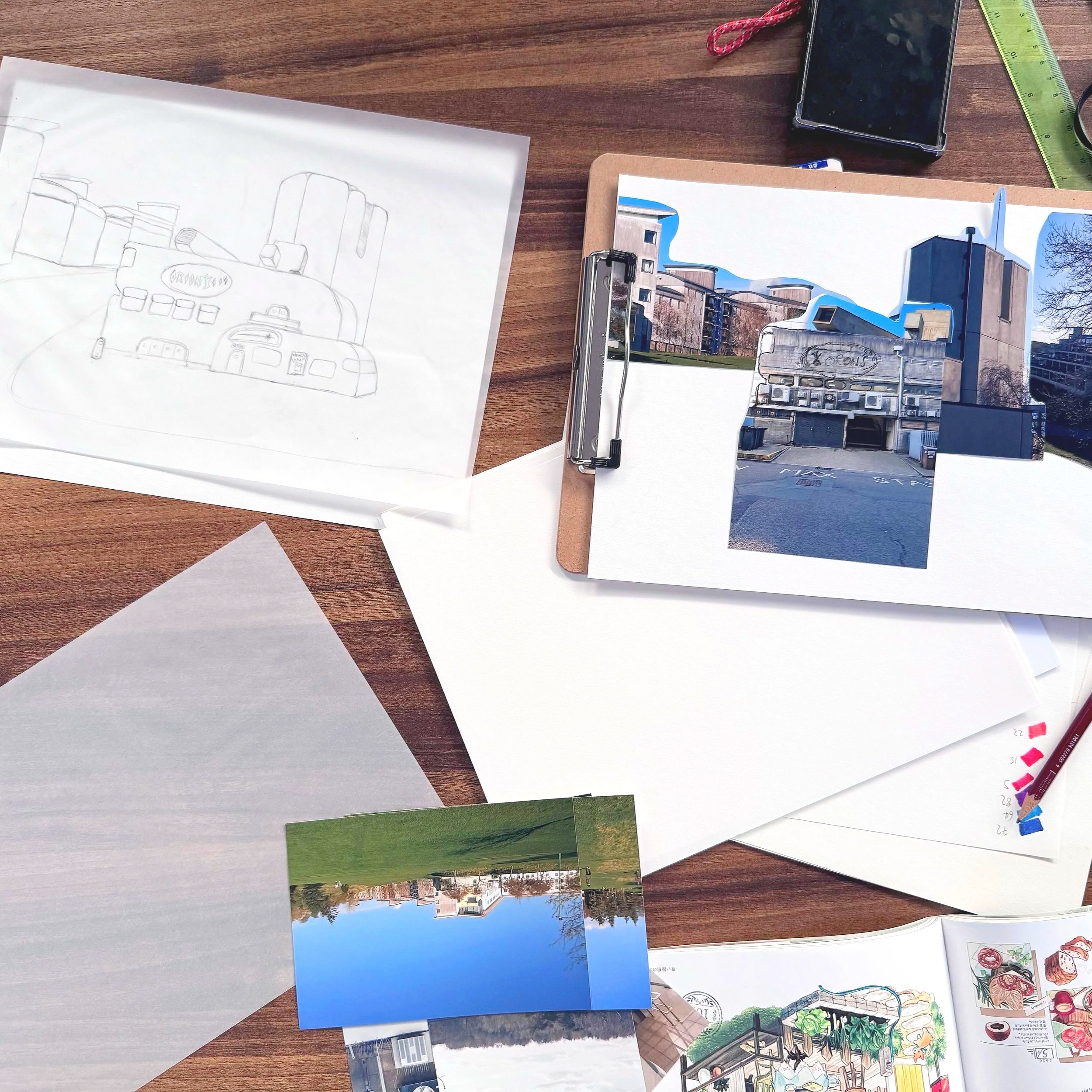
For one year, we hosted 30 fantasy worldbuilding workshops and events and designed and distributed four new printed activities through eight events and a network of other organisations.
We aimed to reduce loneliness and isolation, improve confidence, personal expression, communication and mental health, and reduce barriers to a creative education.
We ran workshops at these inspiring locations:
Gressenhall Farm and Workhouse, Dereham
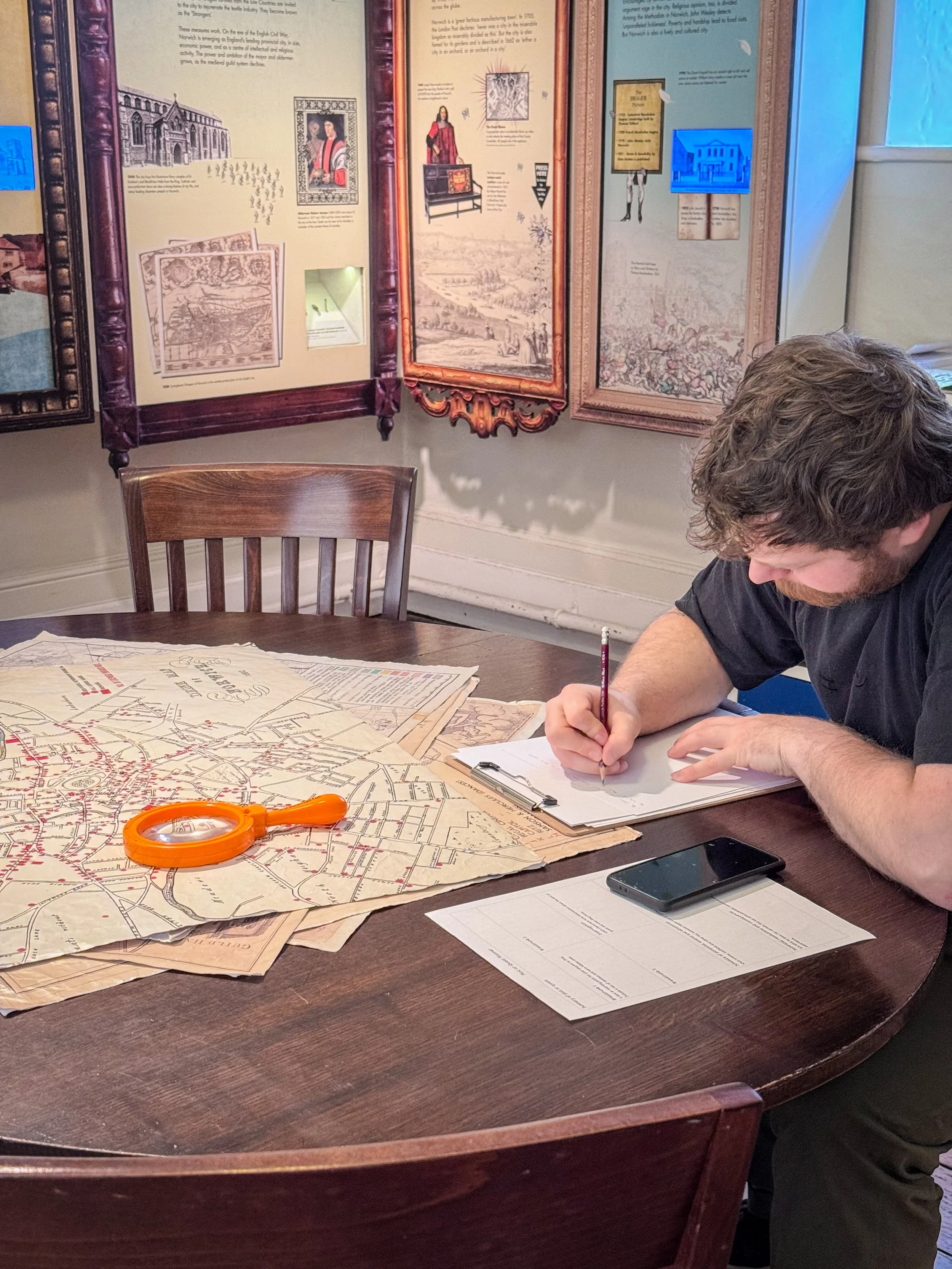
Strangers’ Hall, Norwich
Bircham Centre, Reepham
The Forum, Norwich
The Museum of Norwich at the Bridewell
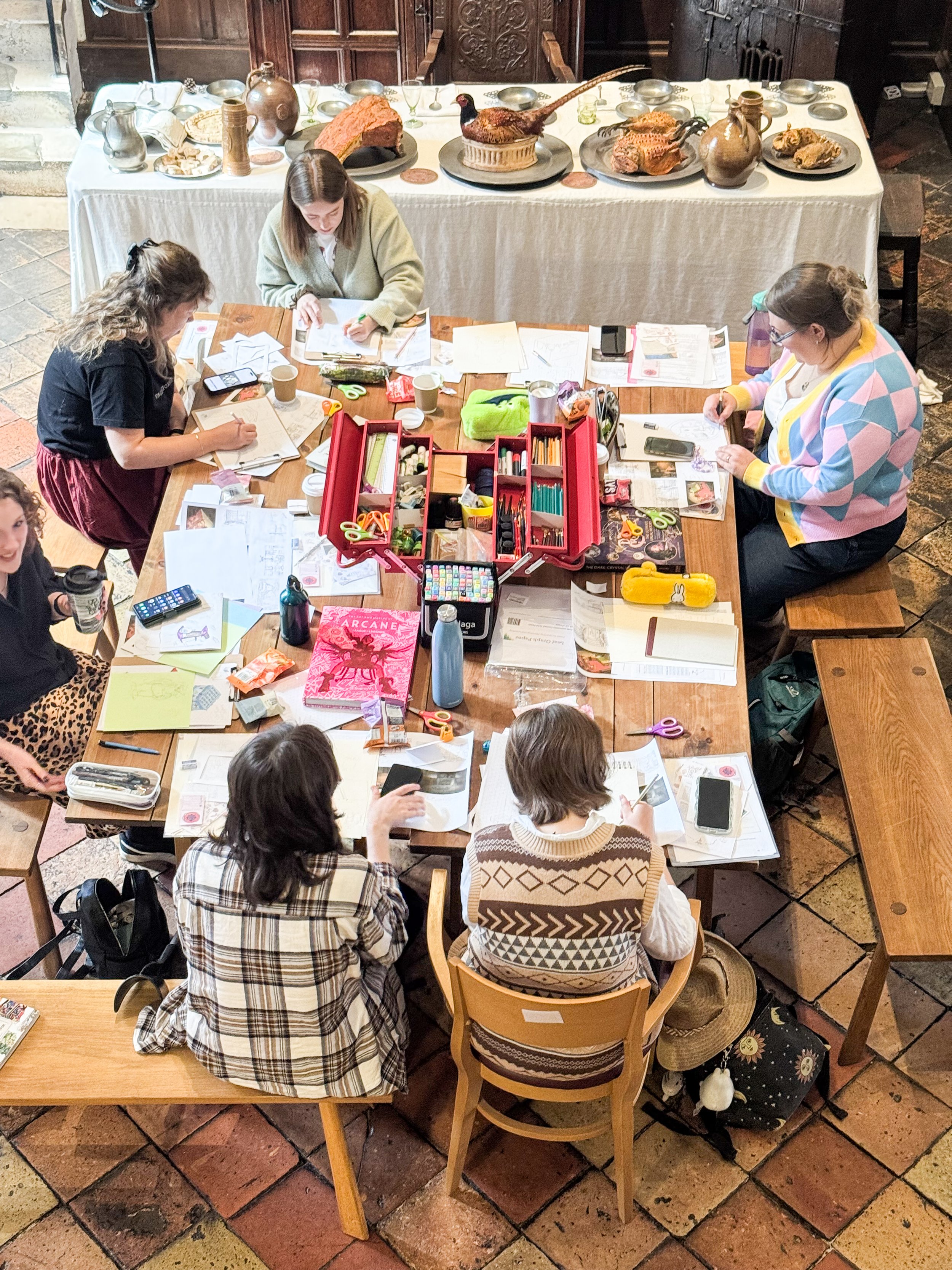
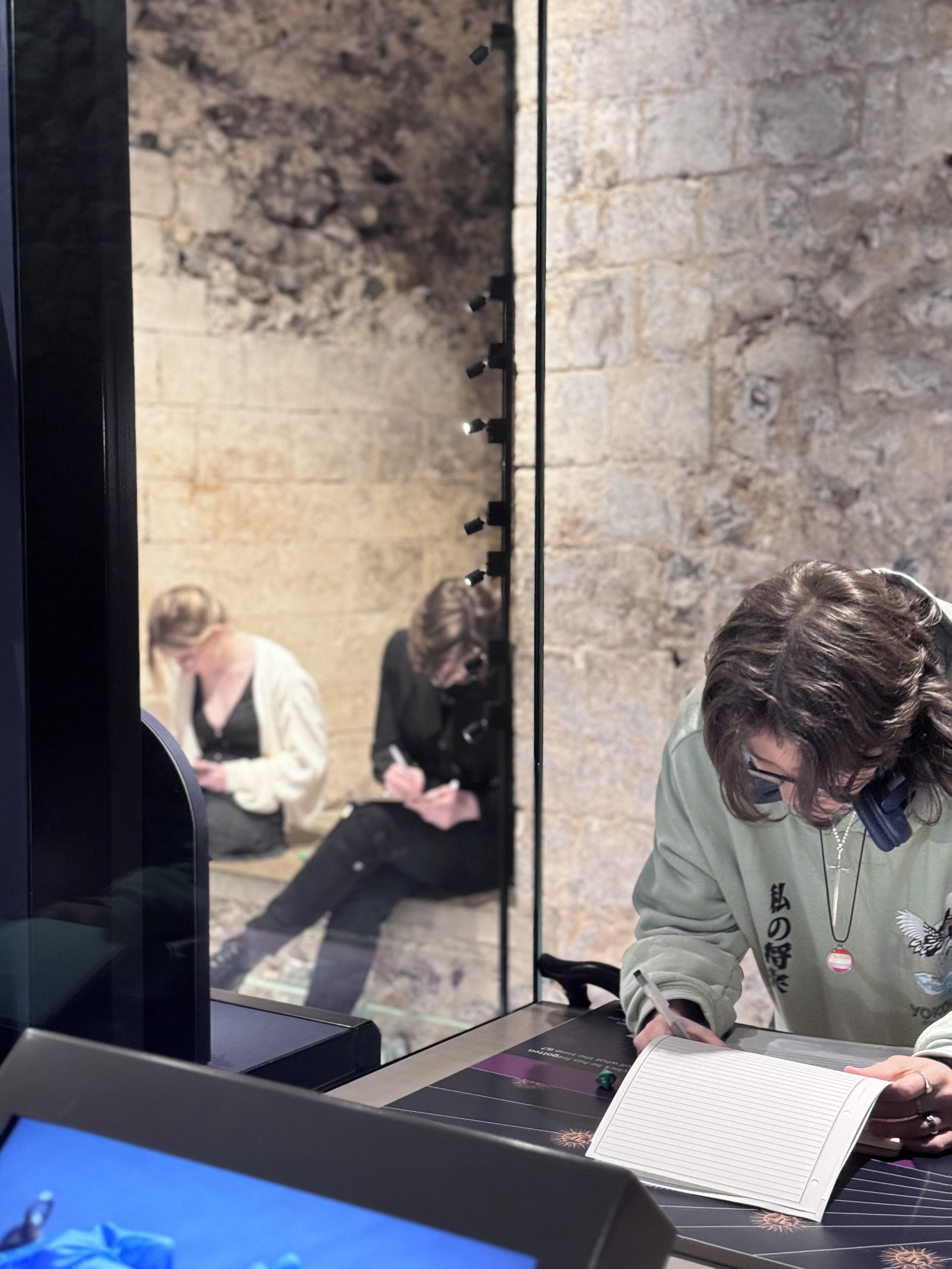
We supported:
352 activity recipients
594 engagements
88 workshop participants
and we delivered:
31 new activities
Increased Creativity
Exploring new perspectives, idea generation, experimentation, creative exploration, and inspiration.
94 hours of activities
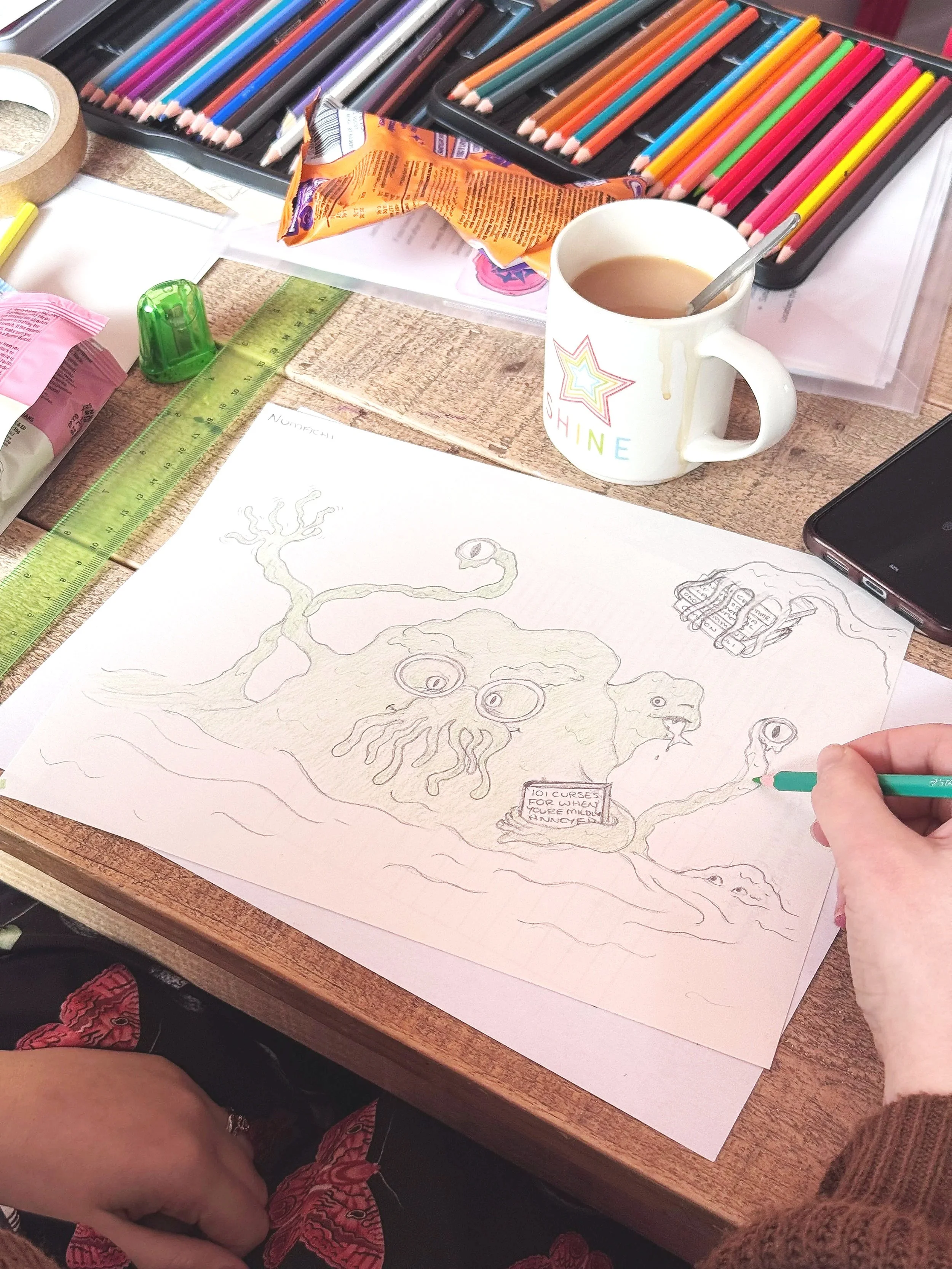
450 free printed activities
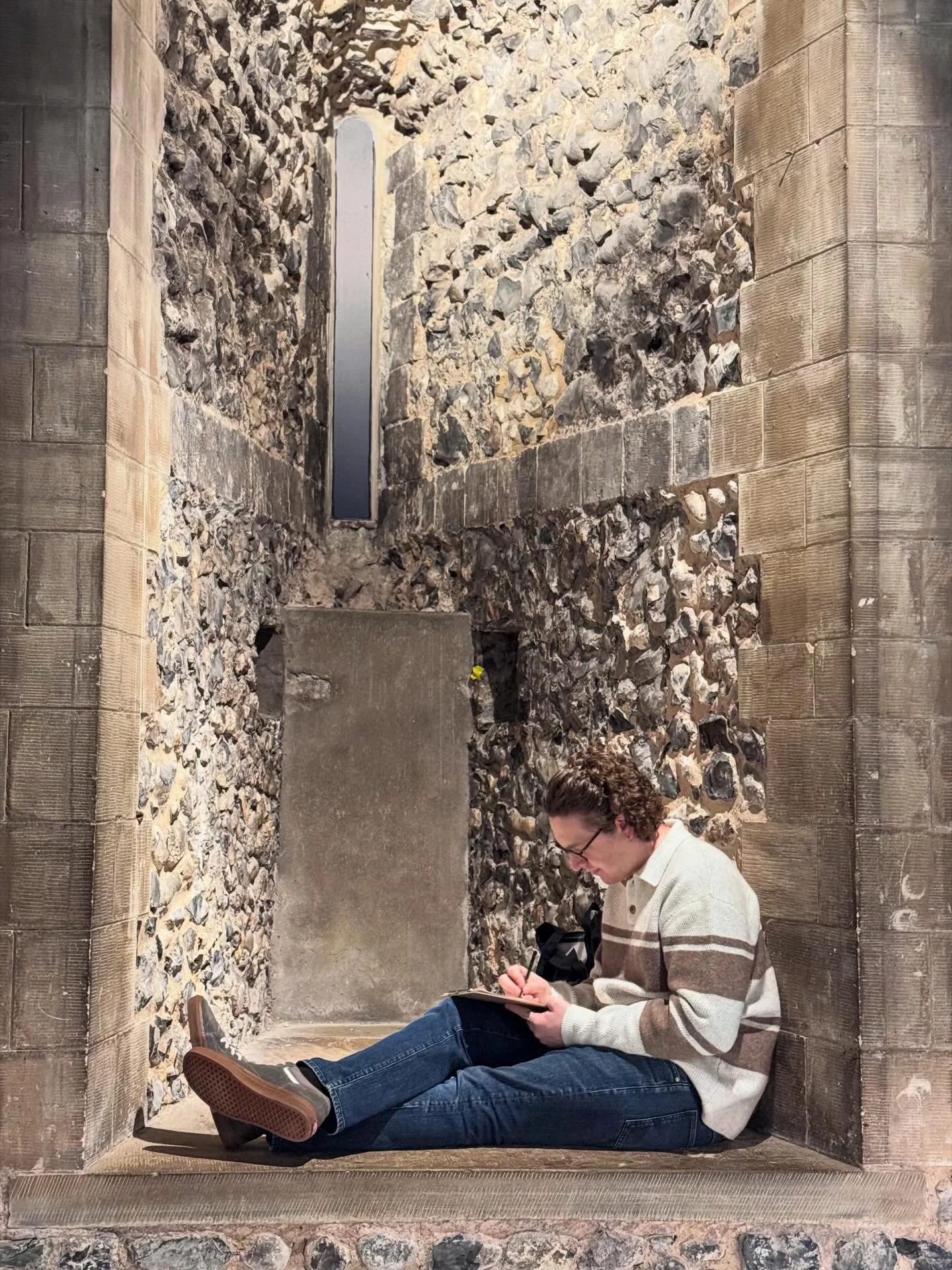
Our Impact
This data is based on 67 participants who completed our feedback survey.
100% of participants said the workshops positively impacted their wellbeing.
99% of participants said the workshops met their expectations. 1% came with no expectations.
97% of participants said they met their goal.
Participants were asked ‘How did the workshops positively impact your wellbeing?’
We’ve formulated the written feedback into the six most popular themes.
Social Connection
Building friendships with people with shared interests, and reducing isolation.
“I have Autism and adhd. This can cause social anxiety. I have attempted to join classes before and found them intimidating and stressful. At the Wayward Guild the team were so incredibly welcoming and kind. The space was beautiful, quiet and very calm. I felt supported and inspired. I thoroughly enjoyed my time there and left full of creative ideas. What a wonderful venture, I am very grateful to have been part of it.” - Holly
“I felt really safe and looked after. It was really inclusive for everyone, and it was relaxed. A really positive experience.”
“They were extremely well run, with a good balance of information/education/creativity. The location was absolutely inspiring - not sure I would have achieved what I did if it was in a less enabling/enriching environment. Also, it was really good to be in a small group.”
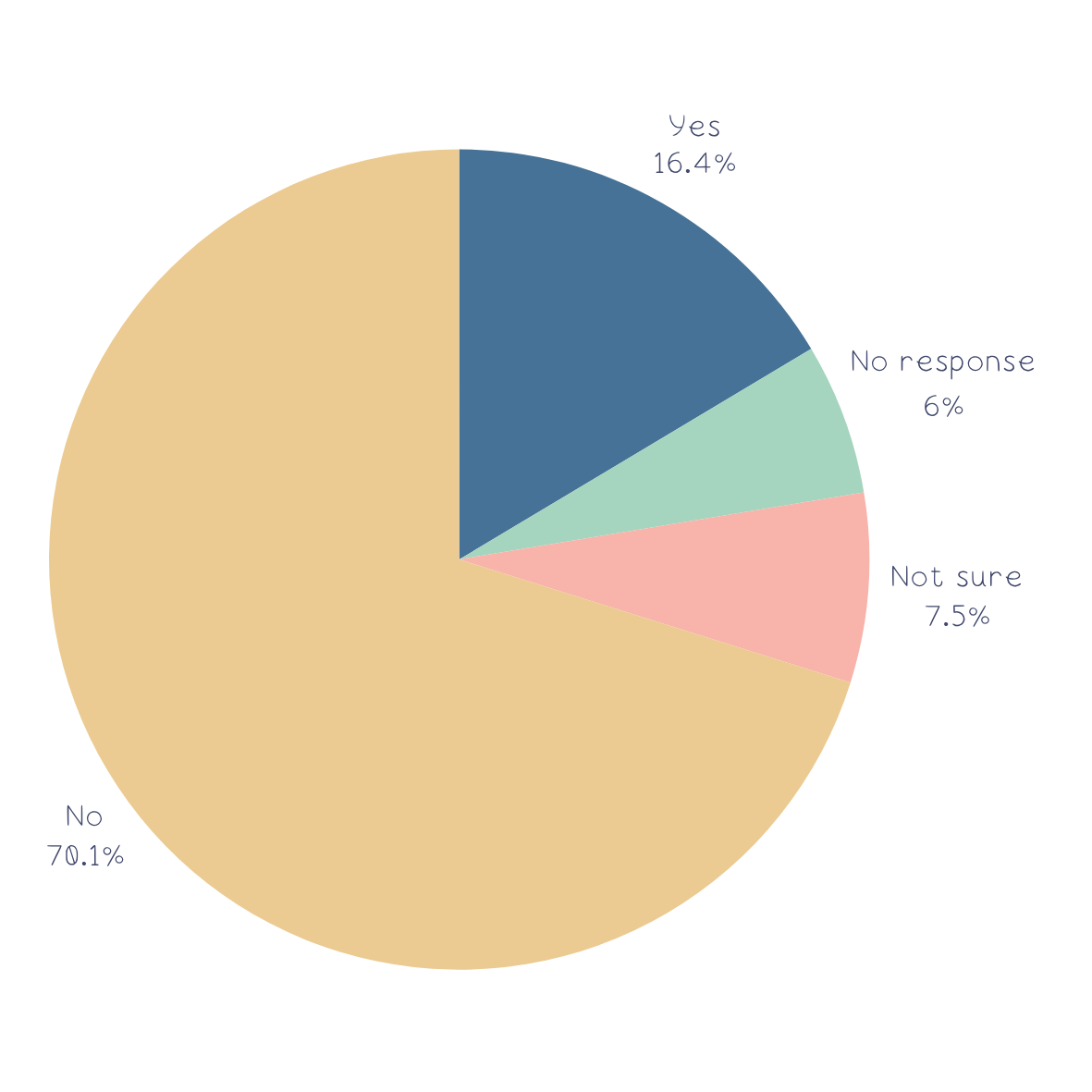
Participant Demographics
16% disabled
Norwich Castle Museum & Art Gallery
Carrow House, Norwich
The Holloway, Norwich
The Shoebox Hub, Norwich
University of East Anglia
Safe Environment
Spending time in a non-judgemental space, providing comfort, acceptance, and low pressure activities.
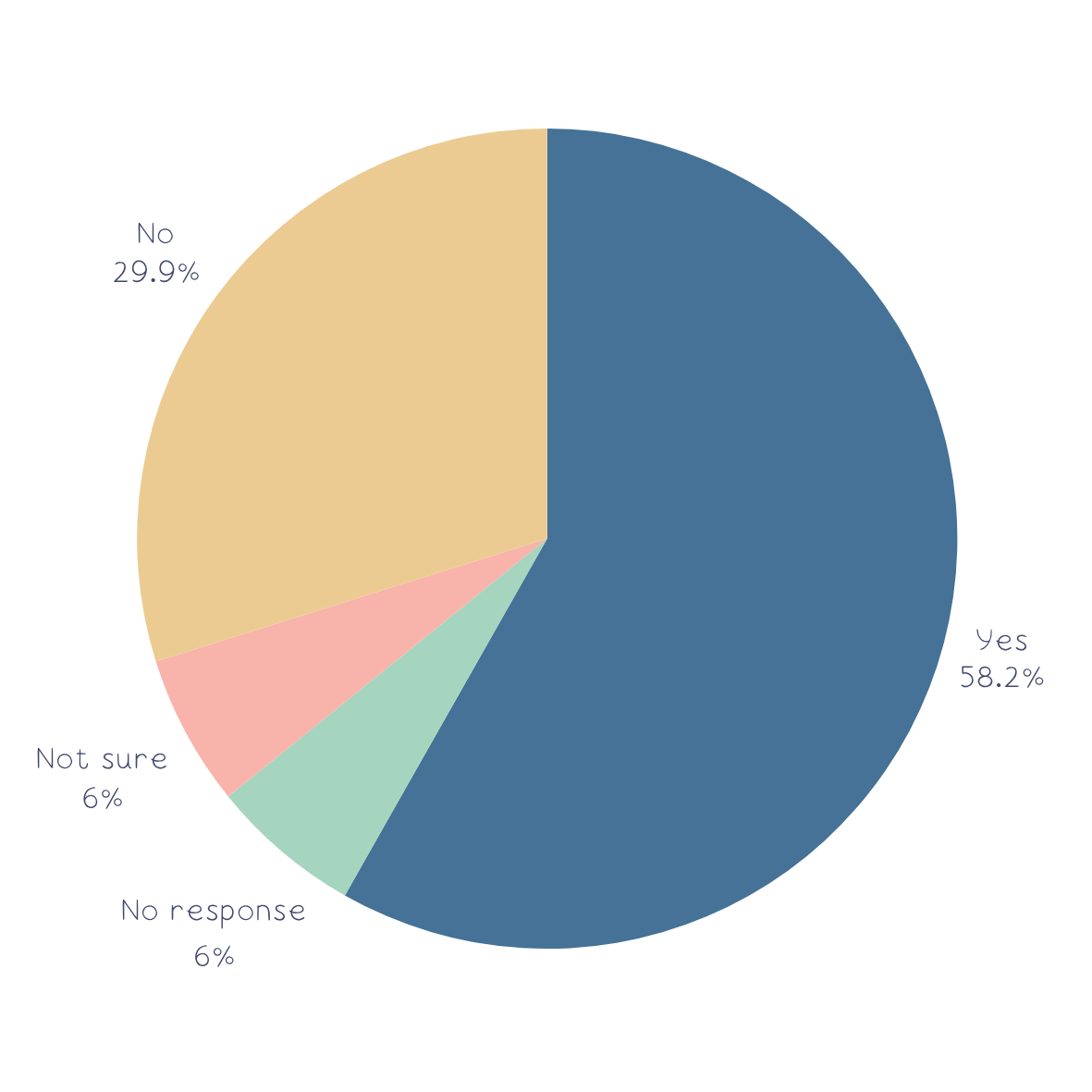
58% LGBTQIA+
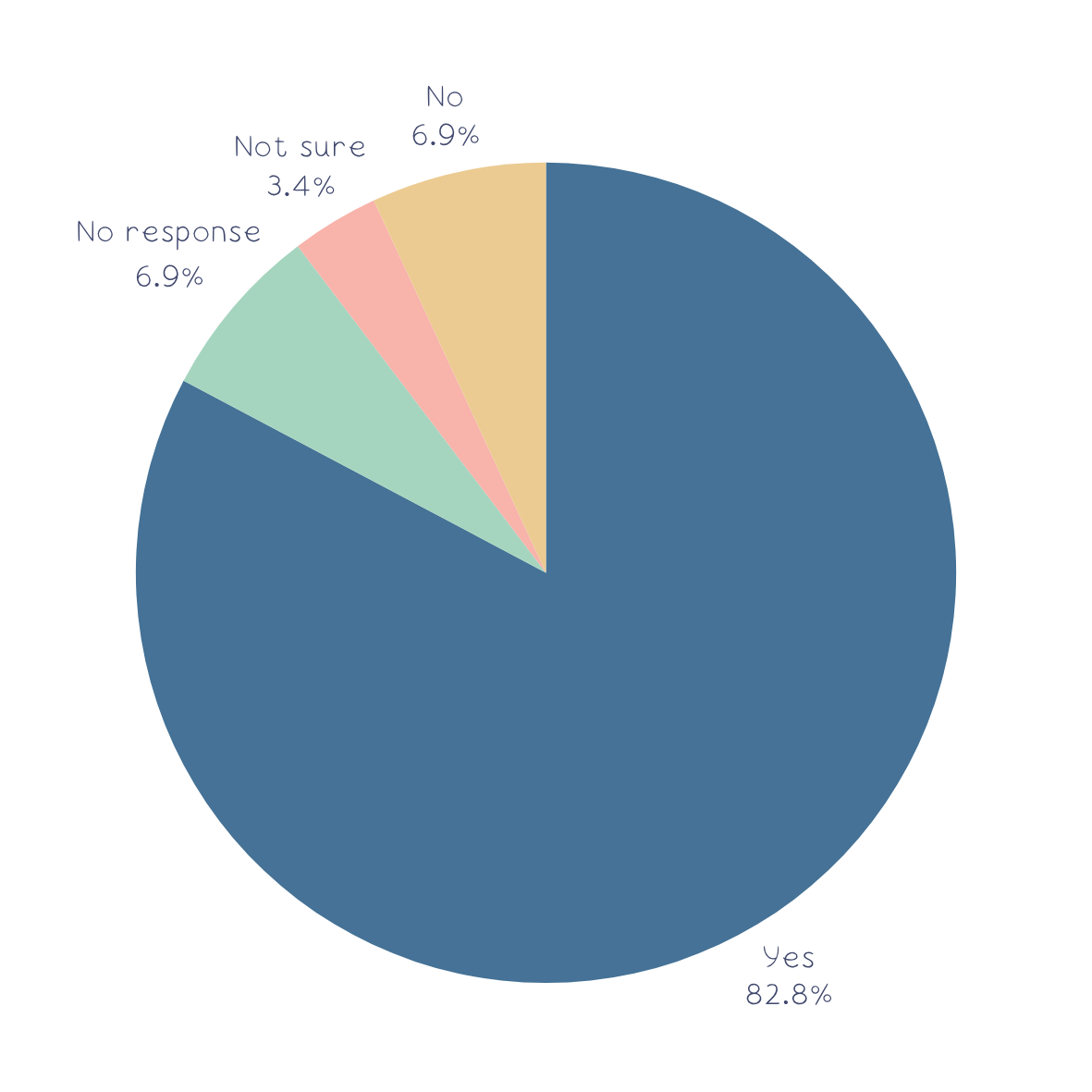
82% neurodivergent
Increased Confidence
Increasing self-belief, trying new things, overcoming self-doubt, developing skills.
Routine, structure and purpose
Enjoying a weekly rhythm, and motivation to leave the house to socialise and be creative.
Creative Thinking and
Confidence Growth
Overcoming creative block with new ways to generate ideas and different approaches to creativity.
Collaboration
Working as a group, sharing ideas, and discussing worldbuilding with likeminded people.
Participants were asked what the best part of the workshops was.
We’ve formulated the written feedback into the six most popular themes.
Practical Skills and Resources
Trying new drawing techniques and creative prompts, and learning new ideas about fantasy worldbuilding.
Environment and
Place-Based Inspiration
Inspiring natural environments, and museums and their artefacts.
Supportive and Inclusive Environment
Feeling safe, encouraged and welcomed in a low-pressure space.
Structured yet Flexible Learning
Guided sessions, with a good balance of freedom and structure.
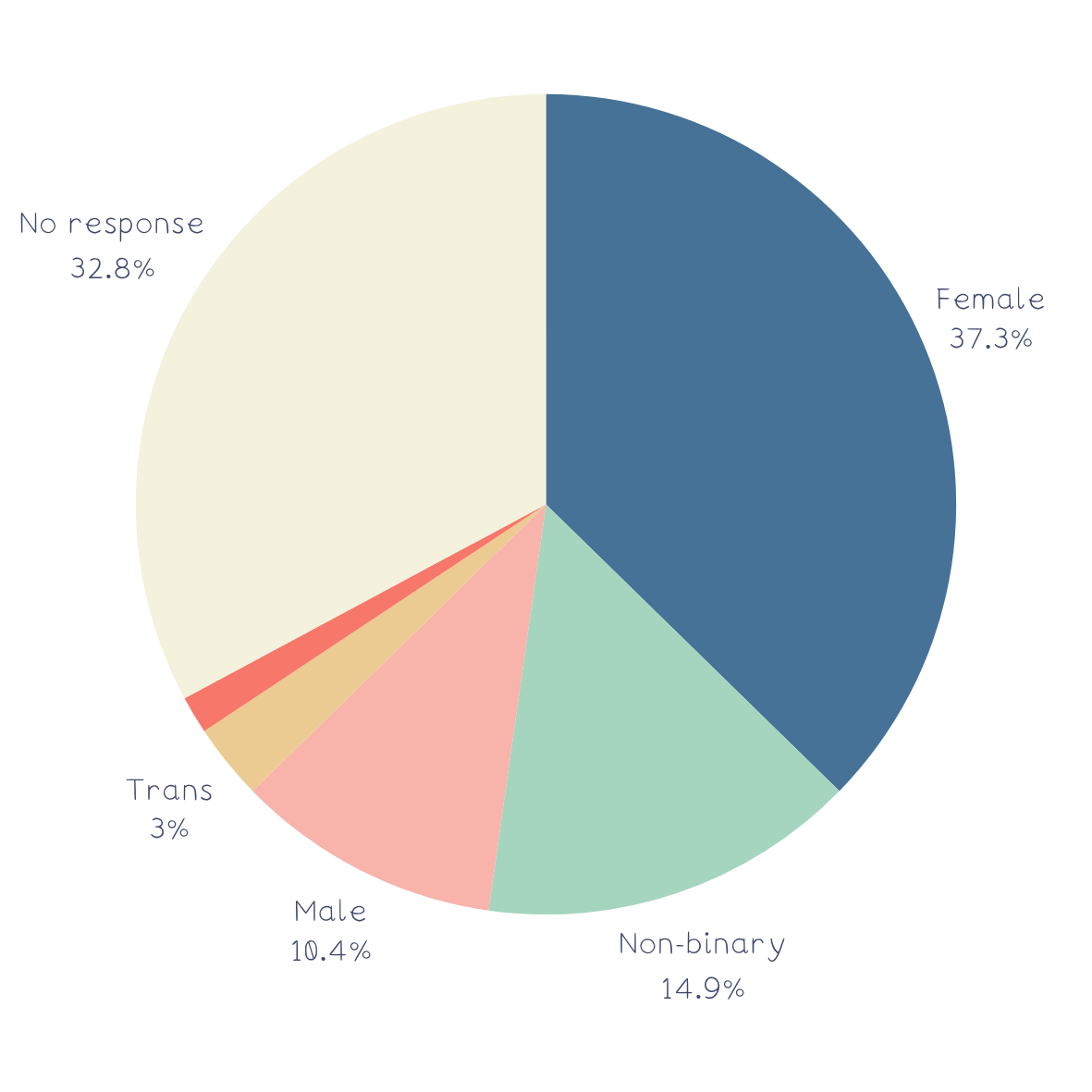
37% female, 15% non-binary
Emotional Regulation
Reducing anxiety, and enjoying workshops with a calming effect, mindfulness, and emotional release.
31% aged 30 - 39
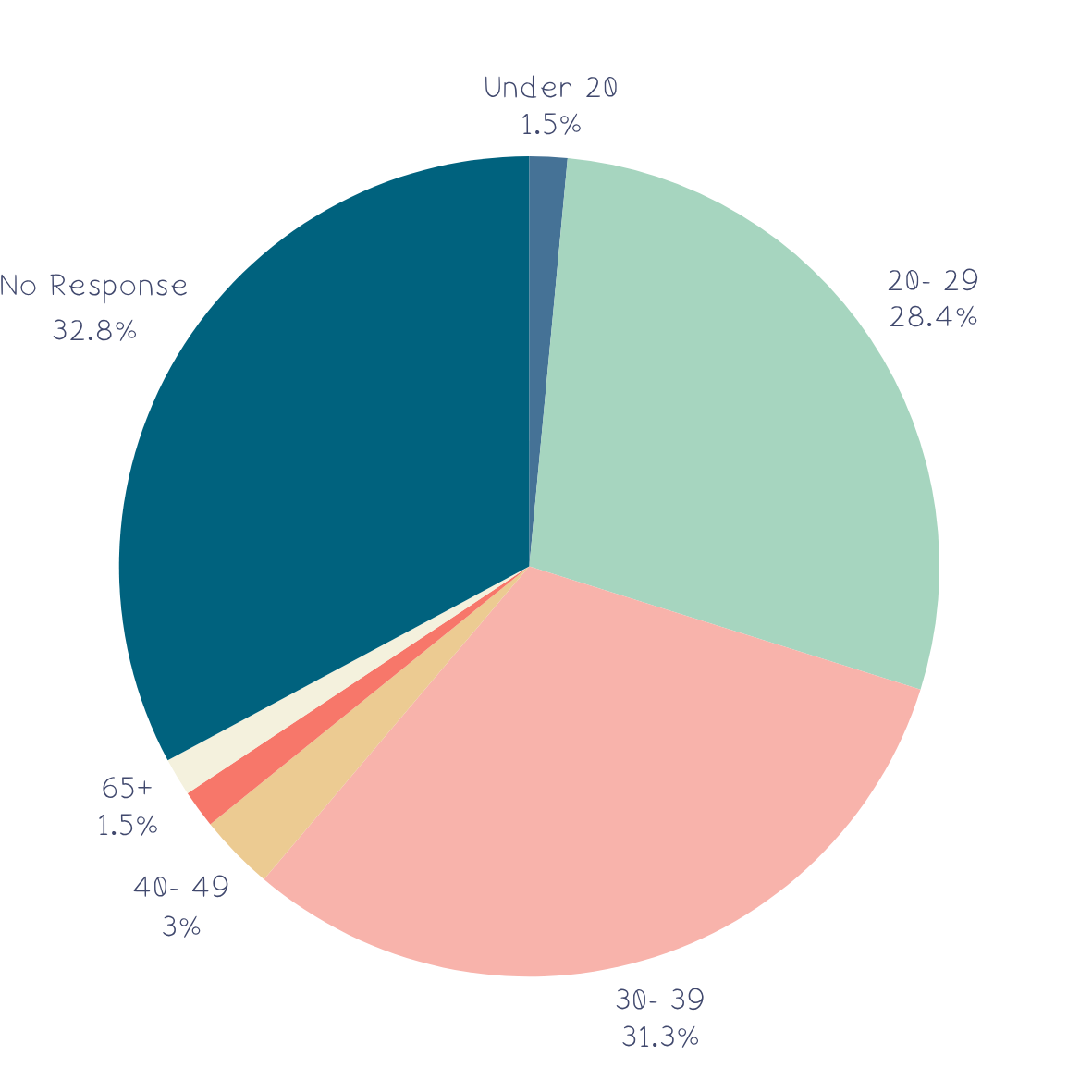
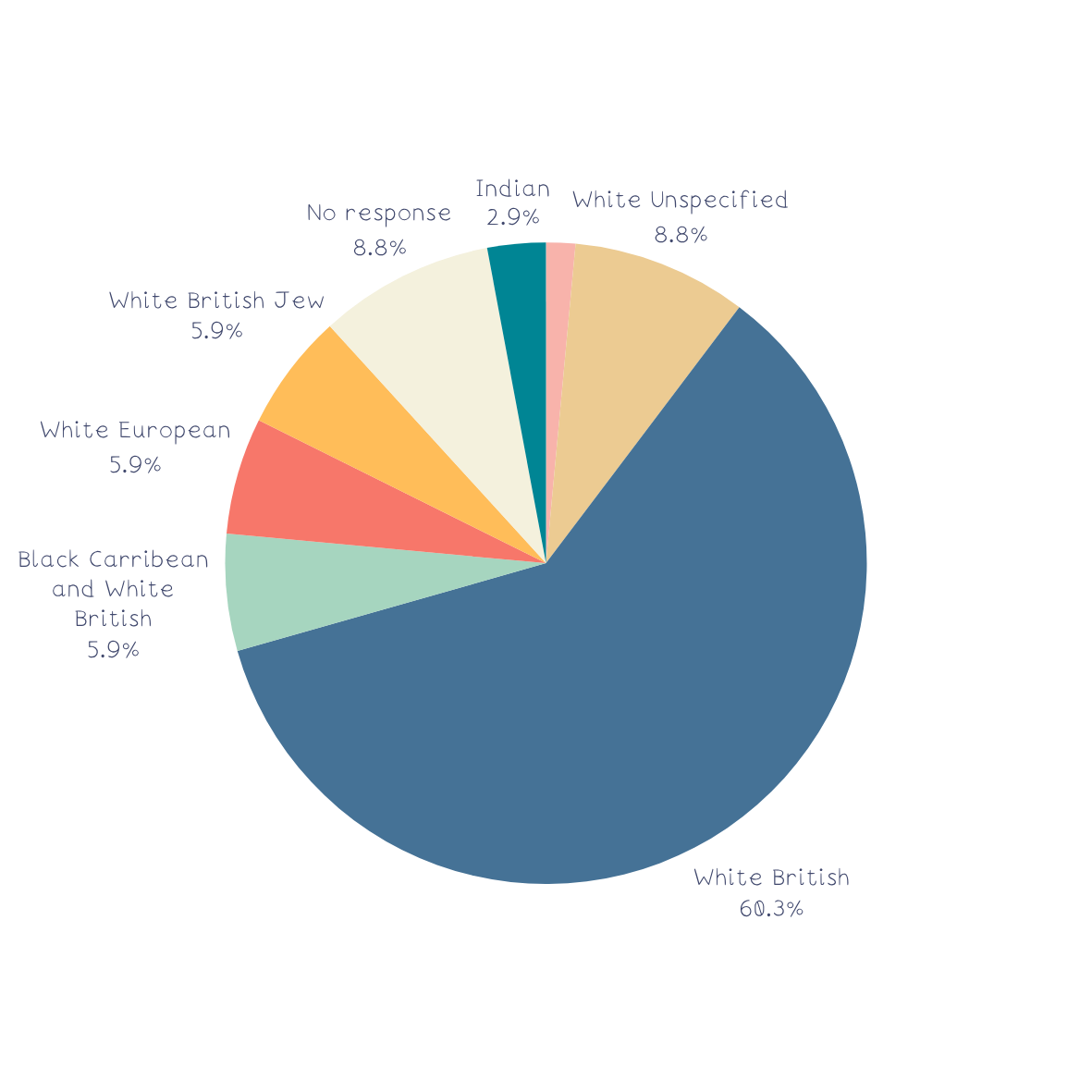
60% white British
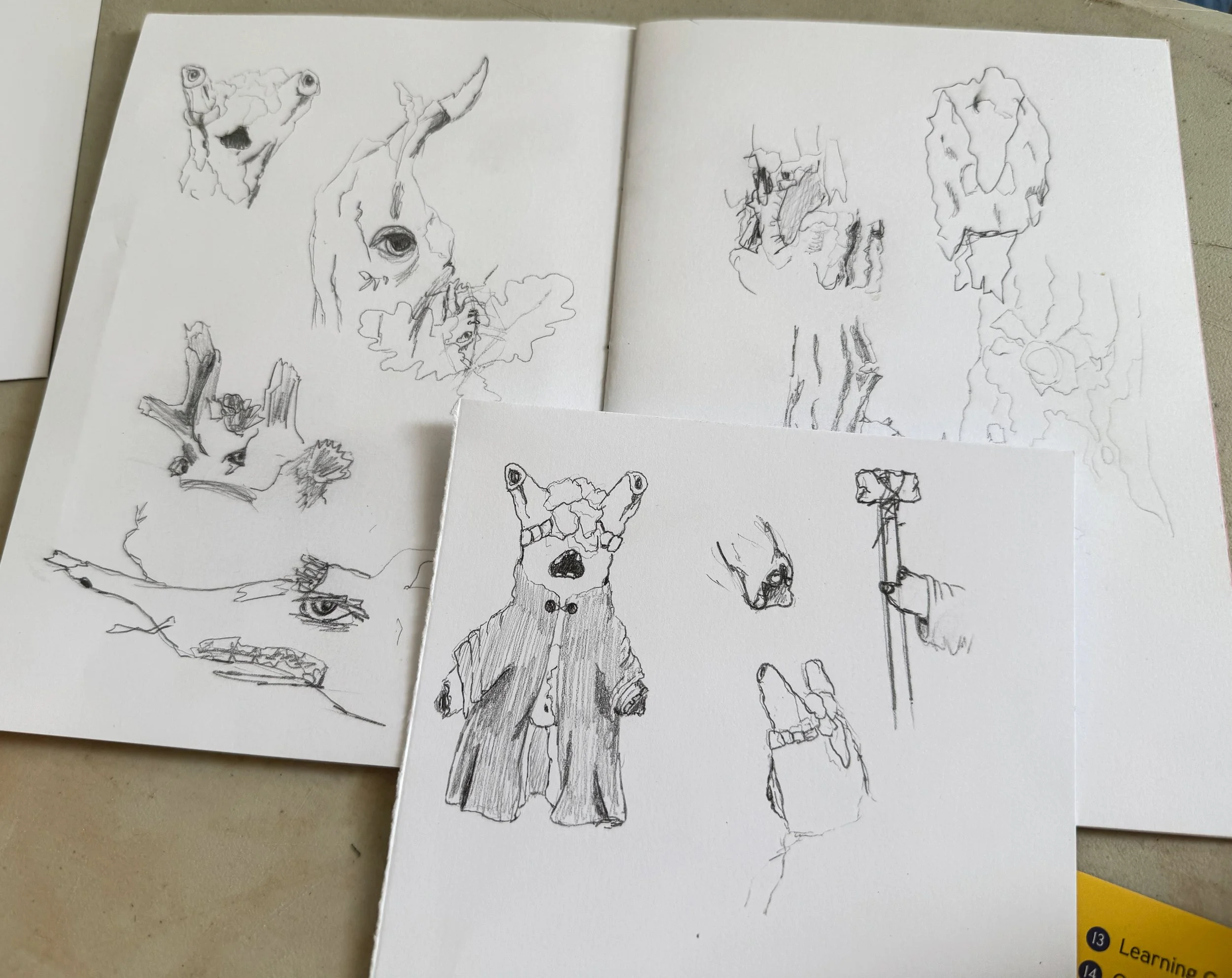
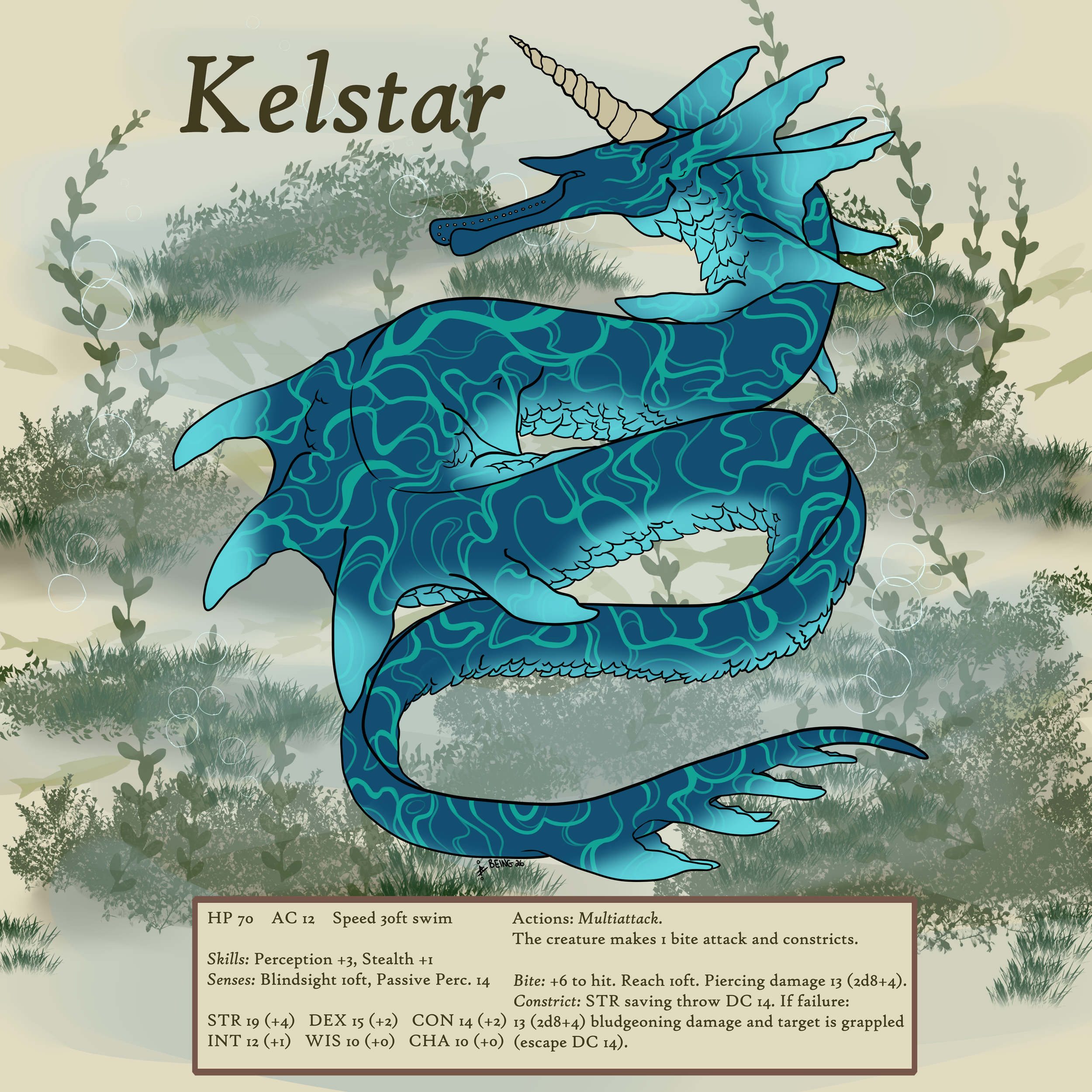
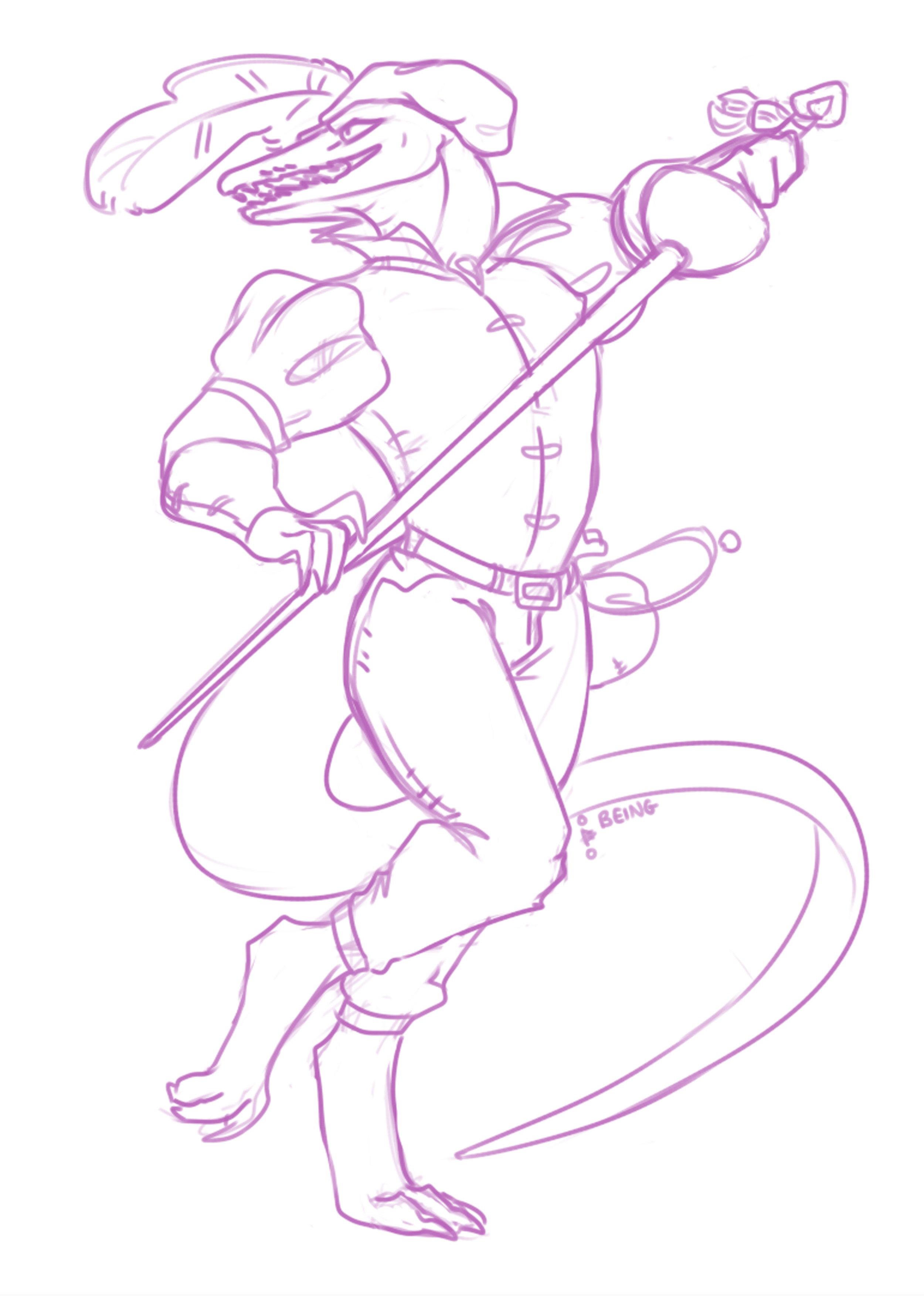
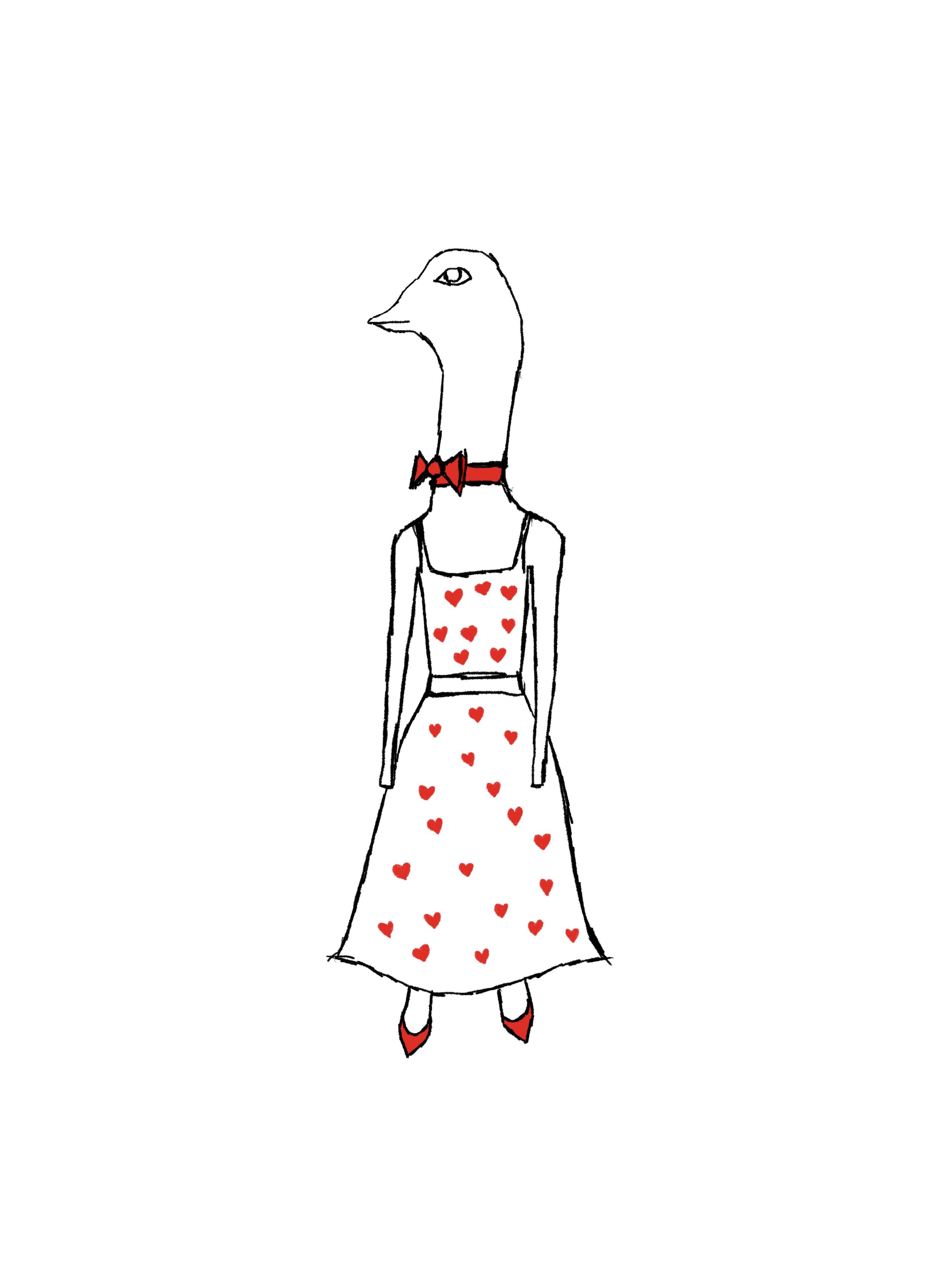
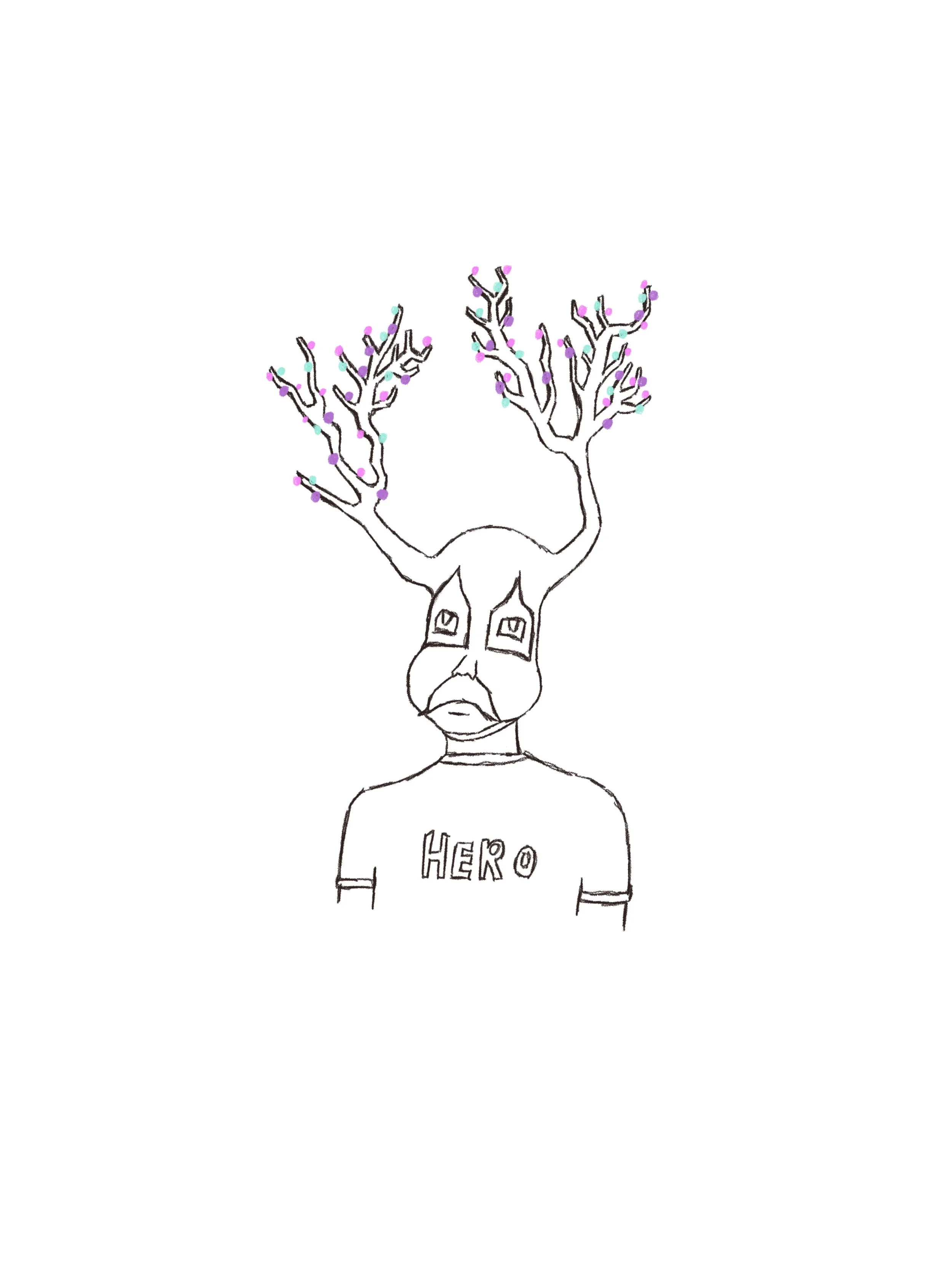
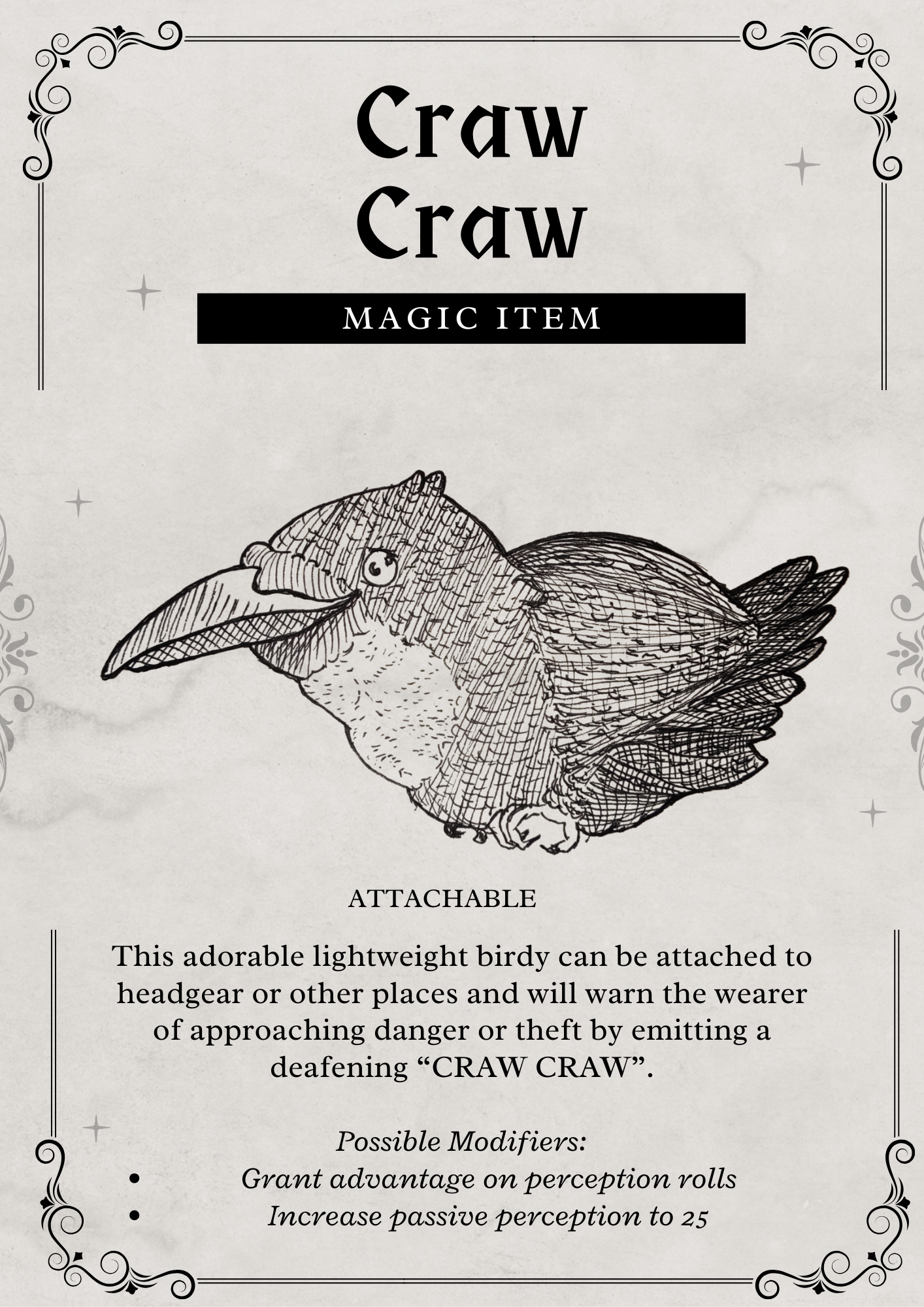
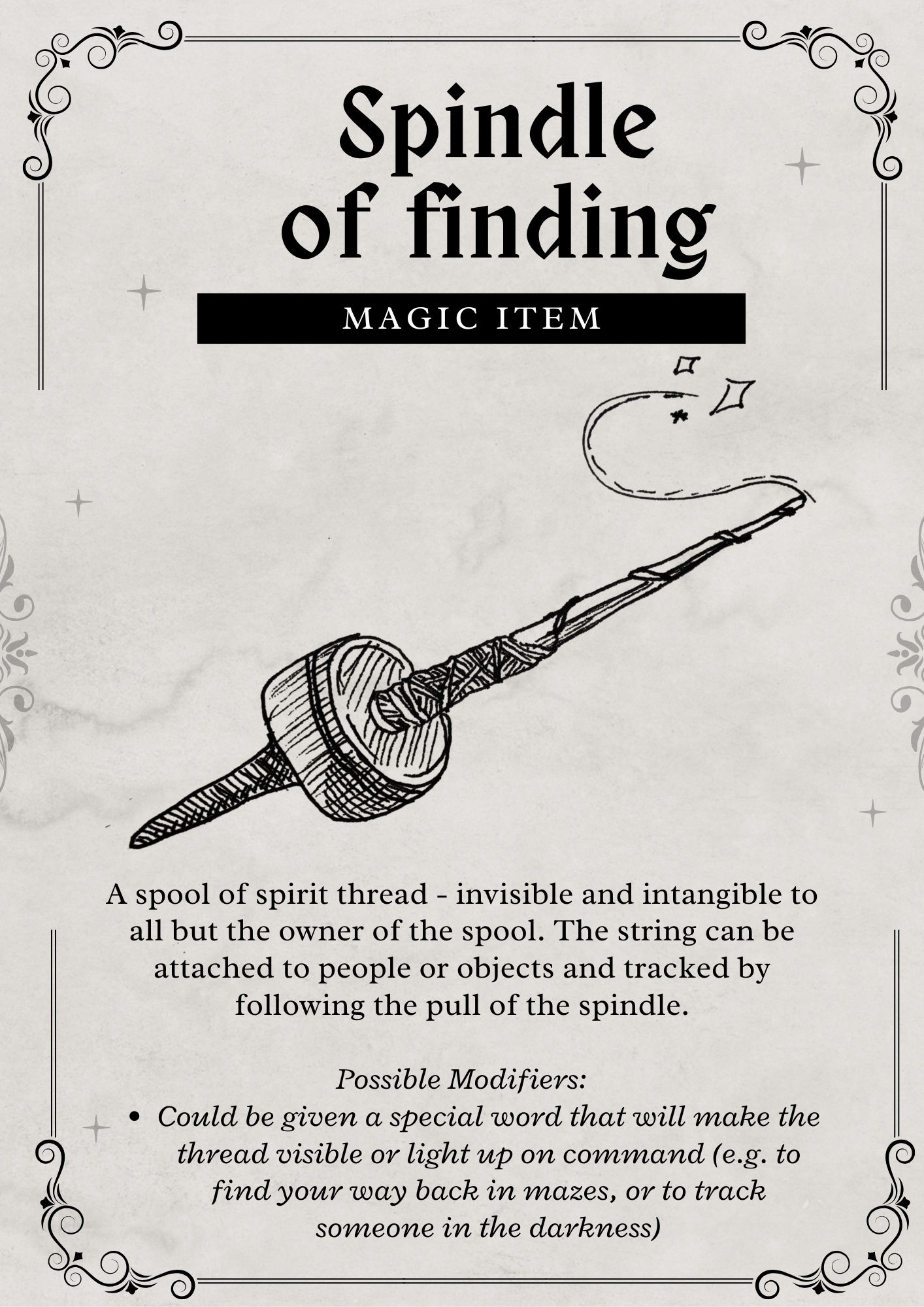
Gallery of Participants’ Work
-
![]()
By Frances Sweeney
-
![]()
By Frances Sweeney
-
![]()
By Holly Hinton
-
![]()
By Holly Hinton
-
![]()
By Susi Bauer
-
![]()
By Susi Bauer


These workshops are made possible with generous funding from Arts Council England, in-kind support and partnership with Norwich Forum Trust and Norwich Games Festival, and in-kind support from Norfolk Museum Services, the Shoebox Enterprises, and the University of East Anglia’s Student Support Services.